

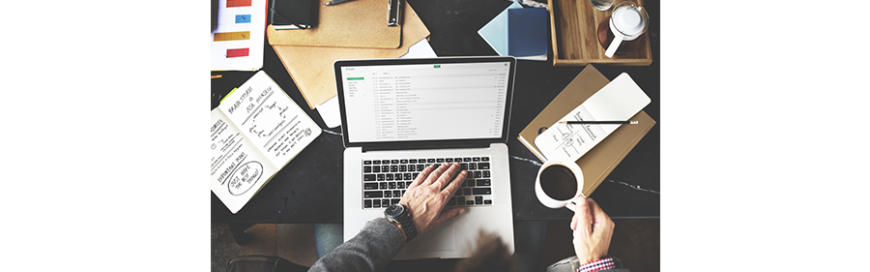
E-mail is quickly becoming the #1 way we communicate with friends, family, co-workers, employees, and clients. But be careful! E-mail messages cannot accurately deliver the tone of your message and what you thought was funny sarcasm by be interpreted as an insult to your reader. Here are some e-mail etiquette tips to help you be a better e-mail communicator:
- Take a little time to explain your message and use adjectives or adverbs to clarify tone. Short, blunt messages may come across as being rude.
- Always address the person with a salutation such as “Hi Name” or “Dear Name”. Using someone’s first name without a salutation may appear brusque.
- Using ALL CAPS is the equivalent of screaming at someone. Only use this were it is appropriate.
- Don’t send large attachments unless you’ve gotten permission from the recipient to do so. If the file is too large, it could take up a lot of space in their inbox and prevent them from getting other messages.
- Make sure you have up-to-date virus protection.
E-mail is the number one way viruses are spread. You’ll lose a lot of brownie points if you send someone a virus that wipes out their hard drive. - Get to the point quickly and avoid rambling. Use a short description in your subject line to make filing and referencing your message easy.
- If you are sending a message to a large group of people, do not cut and paste everyone’s e-mail address into the cc (carbon copy) field. Most people are very sensitive about giving out their e-mail address to strangers. Either create a group in Outlook or use the bcc (blind carbon copy) field.
- Do not send off-color jokes, profanity, private information, or other messages that you wouldn’t want other people seeing via e-mail to anyone. Once you write it down and send it, you lose all control over where that message goes. Even if it’s a trusted friend, they may accidentally forward it on to someone else or it may get found by another person. This goes double if you are using your company e-mail address.