
PHOENIX, AZ – [October 2026] – SanTrac Technologies Inc. is proud to announce that it has been awarded a U.S. General Services Administration (GSA) Multiple Award Schedule (MAS) contract, opening the door to new federal contracting opportunities across 48 states.
SanTrac Technologies Awarded U.S. General Services Administration (GSA) Multiple Award Schedule (MAS) Contract, Expanding Access to Federal Opportunities Nationwide
The Chick-fil-A Cyberattack Shows Why Reusing Passwords Is So Dangerous
Introduction
In June 2026, cybercriminals targeted Chick-fil-A customers in an attack that did not even require hacking into the company’s systems to steal their passwords. Instead, the attackers showed up with passwords they already had.
Apps You Connected Months Ago May Still Have Access to Your Account
Introduction
Think about the last time an app asked you to “Sign in with Google” or “Sign in with Microsoft.” You probably clicked the button, approved a few permissions, and moved on with your day.
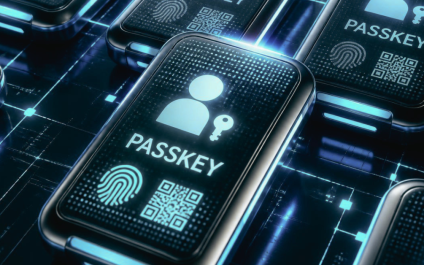
Are Passkeys Really “Phishing-Proof?”
Introduction
Phishing attacks usually work because cybercriminals convince you to hand over something they need.
Maybe you type your password into a fake login page. Perhaps you receive a text message with a security code and unknowingly give that code to a scammer.
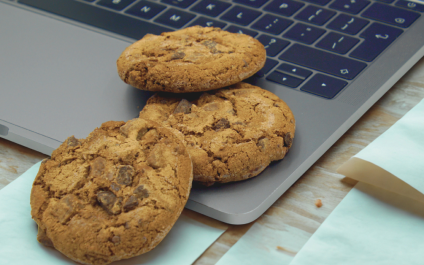
Cookie Stuffing Lands AI Shopping App In Hot Water
Introduction
A shopping app co-founded by Bill Gates’ daughter, Phoebe Gates, recently found itself at the center of a cybersecurity controversy.
Phia, an AI-powered shopping assistant co-founded by Gates and Sophia Kianni, helps shoppers compare prices and find deals.
What Is Endpoint Security and Why Does It Matter?
Introduction
Think about how many devices you use to get online every day.
Your work computer. Personal laptop. A smartphone. Maybe even a tablet when you travel.
Why Pirating Software Is a Bigger Risk Than Most People Realize
Introduction
Downloading pirated software might seem like an easy way to save money. After all, if a program normally costs hundreds of dollars, then getting it for free seems like a great deal.
Unfortunately, that “free” software often comes with a hidden price.
The Spooky Side of AI: Is Your Business Prepared?
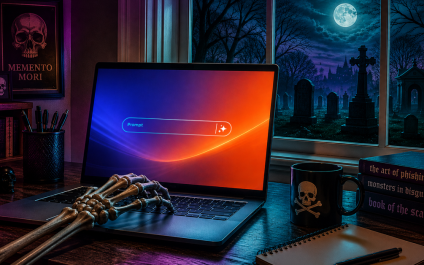
If you look at any suburb this Halloween, you’ll see countless monsters roaming the streets. Vampires, creatures and ghouls all “wreaking havoc” (going to parties and trick-or-treating).
The real monsters, though, don’t look like this.
Your Cybersecurity Needs an Immune System, Not a Medicine Cabinet
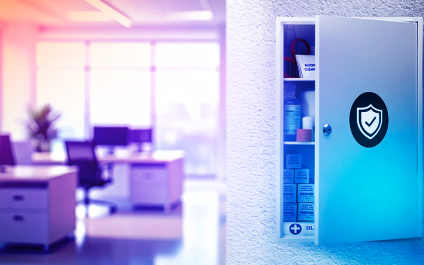
Every autumn, the medicine cabinet gets a little more crowded. There's cold medicine left over from last winter, vitamins bought in bulk, half-used bottles of cough syrup and a prescription that should have been thrown out months ago. There’s plenty of medicine there, but a full cabinet has never been a measure of anyone's health.
Think Cybersecurity Is Just IT’s Job? Think Again.
It’s 4:17 on a Friday afternoon.
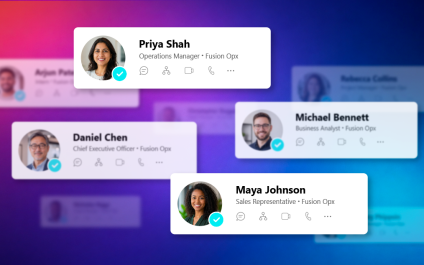
An employee receives an email that appears to be from the owner: “Can you send me the updated banking information before you leave?”
The name is right. The tone sounds familiar. And with everyone trying to wrap up the week, the easiest thing to do is simply respond.