
Introduction
Most people brush their teeth every day. It’s not because they expect a dental emergency to happen every day, but because such small daily habits help prevent bigger problems later.
Cyber hygiene works the same way: Good cybersecurity is not just about firewalls, antivirus software, or security teams working behind the scenes. It’s also about the everyday habits that you practice when using computers, phones, email, and online services.
Those habits may seem small in the moment, but they often determine whether an attack against you succeeds or fails.
What Is Cyber Hygiene?
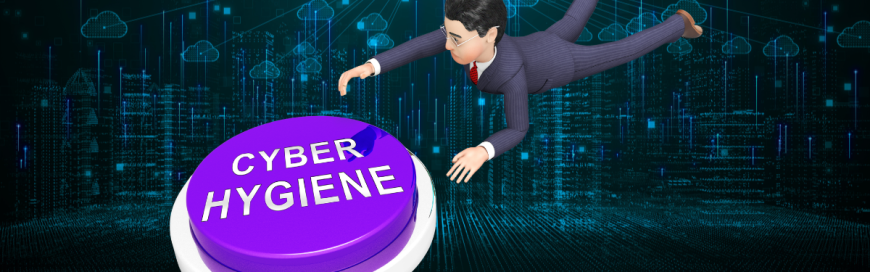
Cyber hygiene refers to the routine practices people use to keep their devices, accounts, and information secure.
Think of it as personal hygiene for technology. Just as washing your hands helps prevent illness, cyber hygiene helps reduce the risk of cyber threats.
Many people confuse cyber hygiene with cybersecurity itself, but there is one important difference: Cybersecurity often refers to the tools, technologies, and policies used to protect systems. Cyber hygiene focuses on the behaviors and habits individuals follow every day.
Security and hygiene work together to best protect the sensitive data that you manage.
When users ignore basic security practices, hackers take the opportunity to undermine even the best security tools.
Why Daily Habits Matter
Most cyber incidents do not happen because attackers discovered some secret weakness.
They often happen because someone:
- Reused a password
- Ignored a software update
- Clicked a suspicious link
- Shared information without verifying the request
Attackers know exactly how to exploit these small and seemingly inconsequential actions! Good cyber hygiene reduces such opportunities for online criminals, by making those everyday mistakes less likely.
Daily Habits That Improve Cyber Hygiene
Strong cyber hygiene starts with simple habits that eventually become part of a normal routine.
- Use strong, unique passwords across all of your accounts. Reusing the same password across multiple accounts creates unnecessary risk, because one breach can expose several accounts at once.
- Keep devices updated. Software updates frequently include security fixes designed to close vulnerabilities that attackers actively target.
- Maintain caution when you’re browsing online. Before any clicking links or downloading files, take a moment to verify the source.
- Enable multi-factor authentication whenever possible. If you receive an MFA notification that you didn’t trigger, it may signal that an authorized user is trying to access your accounts.
- Lock your devices when stepping away from your desk. Anyone passing by could otherwise view confidential information, whether maliciously or unintentionally, that they don’t have authorization to see.
None of these actions take much time. Together, they create a very strong foundation of security.
Awareness Is Part of Cyber Hygiene
Technology changes constantly. New scams, attack techniques, and security risks appear every year. That means cyber hygiene is not something you learn once and forget. Instead, security awareness plays a major role in maintaining security.
Organizations that regularly educate employees about phishing, social engineering, password security, and emerging threats tend to experience fewer security incidents than those that rely on technology alone.
Good habits start with understanding why those habits matter.
What Happens When You Ignore Cyber Hygiene?
Poor cyber hygiene creates opportunities for attackers to target.
A single weak password or missed update may not seem important, however, attackers often combine multiple small weaknesses to gain access to systems and information. The consequences to you may include:
- Data breaches
- Identity theft
- Financial fraud
- Ransomware infections
- Account compromise
The Federal Bureau of Investigation found that Americans lost $21B to cybercrime in 2025. Many of those incidents involved basic security failures that could have been prevented through stronger cyber hygiene practices.
In other words, small security habits can have very large consequences.
Building Better Security Habits
Good habits matter most, but technology can make those habits easier to maintain.
- Password managers help users create and store unique passwords without having to remember dozens of credentials.
- Antivirus and endpoint protection software help identify known threats before they cause damage.
- Multi-factor authentication adds an extra layer of protection if passwords are compromised.
These tools do not replace good cyber hygiene, but rather support it. The strongest security comes from combining good habits with the right technology.
Conclusion
Cyber hygiene is not a one-time task. It is a collection of daily habits that help keep devices, accounts, and information secure.
Most cyberattacks do not succeed because attackers are unstoppable. They succeed because small security practices are overlooked or ignored.
The good news is that good cyber hygiene does not require advanced technical skills. It requires consistency.
By practicing a few simple habits every day, you significantly reduce your risk of a data breach and help create a safer digital workspace for everyone!