
Today, Android users have countless apps to choose from to help them stay organized, focused, and efficient. But with so many options available, it can be overwhelming and time-consuming to find the right apps. To help you decide, here are seven essential productivity apps for Android that are sure to boost your efficiency in 2024.
1. Task Management: Todoist
Todoist is a versatile task management app that can help you organize your to-do lists and stay on top of your work.
Boost your efficiency in 2024 with these Android productivity apps

Mac malware 101: From prevention to protection
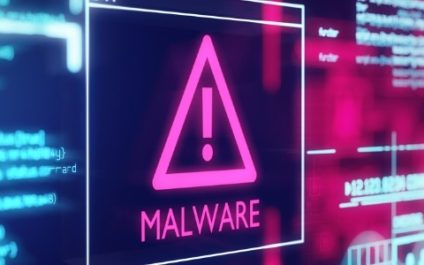
For years, Macs have enjoyed a reputation of being invulnerable to malware attacks. While the inherent security features of macOS offer a head start, complacency can be a dangerous enemy. Even Macs can fall prey to malicious software, posing a significant threat to your business data, employee privacy, and operational continuity.
Is it worth monitoring employees online?
The digitization of the workplace has opened up new frontiers for employer oversight. With workers more connected than ever through computers and internet-based tools, companies are exploring the advantages of monitoring for optimizing workflow and enhancing productivity.
The 4 most common printer problems and their solutions

Printing problems can be frustrating and annoying, especially if they occur right before a deadline or meeting. These problems can range from simple lack of ink to stressful paper jams to problems with less obvious solutions, such as print quality or speed.
What businesses need to know about VoIP softphones and hardphones
In the era of remote and hybrid work setups, many businesses have switched over to Voice over Internet Protocol (VoIP) from traditional landlines. Some have chosen to go with VoIP softphones, while others are using VoIP hardphones. If you're also considering transitioning to VoIP, read on to learn about these two VoIP options.
Most essential cybersecurity training topics to safeguard your business

It’s no secret that cybersecurity has become a necessity for small businesses. As the threat landscape continues to evolve, grasping the fundamentals of cybersecurity is not only crucial for safeguarding your operations, but also for keeping your business from becoming a gateway to more widespread attacks.
Best Practices To ‘Celebrate’ National Change Your Password Day: How Does Your Password Stack Up?
Each year on February 1st, we celebrate Change Your Password Day. While it’s not a holiday that gets you off work, it serves as a good opportunity each year to do a quick check-in and make sure you’re using strong passwords that will keep your accounts protected.
How “Cheaper” IT Providers Sneak In Expensive Hidden Costs

Is your company looking to hire an IT firm? Unfortunately, unless you’re tech-savvy or experienced with IT contracts, there can be hidden costs that you wouldn’t expect or know to look for. While it can sound appealing to go for the cheapest firm, that decision can end up costing you more in the long run due to carve-outs and hidden fees in the contract.
New Security Features To Protect Your Phone In 2024

Long gone are the days when phones were simple devices used to make calls. Today our phones are advanced, handheld supercomputers that can do everything from pay a bill to order lunch for delivery to edit videos and more.
But with more capabilities come more risks.
5 New Cybersecurity Threats You Need To Be Very Prepared For This Year

The year of 2023 marked a significant turning point for cyber-attacks with the introduction and wide proliferation of AI (artificial intelligence), now in the hands of people who wish to do you harm and who are actively using it to find faster and easier ways to rob you, extort you or simply burn your business to the ground.