
Gmail gets anti-phishing enhancements
Although hackers continue to develop new viruses and bug exploits, the most effective weapon in their arsenal is a simple email. All a would-be cybercriminal has to do is write a convincing message (or pretend to be a trustworthy entity) to persuade a victim to download a malware-ridden file or surrender their personal information.

Check the list of free ransomware decryptors

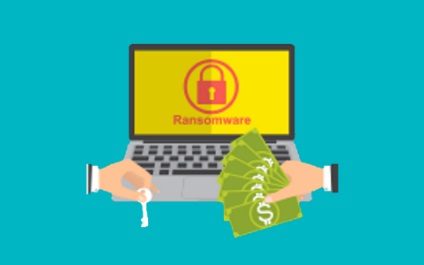
We’ve gotten so caught up discussing ransomware prevention with our clients that we’ve neglected to mention that several strains have already been defeated. In fact, there’s a decent chance you can actually decrypt all your data for free. Always make sure to check these lists before responding to a cyber attacker’s demands.

7 Warning signs of malware infection

As companies go to the Internet to conduct their business, their IT security becomes more vulnerable to many hackers and viruses. That’s why it’s even more important to recognize whether or not your systems are under threat from malicious software to swiftly fend off the infection.

Return of the smartphone attack

Due to the recent WannaCry ransomware exploits, business owners are refocusing their efforts on protecting computer networks. Despite that, many leave one key device unaccounted for: their smartphone. The truth is hackers can exploit the technology in your smartphone to conduct malicious acts, and one of the most common is Bluetooth technology.

Windows 10 updates for Fall 2017

Windows 10’s Fall Creators Update is the next major update that Microsoft will roll out in September. Besides reusing the same “Creators Update” name and focusing on bringing the Windows experience to iOS and Android devices, here are some noteworthy features users can expect.

Precautions against WannaCry ransomware

The WannaCry ransomware, a type of malware that encrypts a victim’s files and extorts them for money, has already affected thousands of machines worldwide. Unfortunately, the success of this attack is just the beginning. According to security researchers, other hackers will probably develop stronger WannaCry variants in the coming months.

Fake Skype ads lead to ransomware attacks

Hackers have used Skype to conduct various phone scams; but this month, they have found a new way to exploit the popular video calling app. Ransomware, which has predominantly been distributed via email attachments and URL links, is now being delivered through fake Skype ads.

Did Microsoft commit a security breach?

In case you didn’t know, Microsoft provides Office 365 users with a free document-sharing platform called docs.com. It’s a great new tool for publishing files intended for public viewing. The downside is, sensitive documents are published without the file owners’ permission.

Just Because You’ve Been LUCKY Enough To Avoid A Cyber-Attack Doesn’t Mean You’re Not At Risk

Imagine walking into your office one morning to discover your computer network was breached by a hacker, exposing not only YOUR company’s data, but also all your client records and private communications. Imagine the embarrassment of having to notify your clients and vendors that, because of you, their private and possibly personal information may now be in the hands of cybercriminals.