You may have heard about Business Email Compromise (BEC) scams before, which are a type of phishing threat meant to trick you into giving up private company information by posing as a professional associate. In other words, someone pretending to be your supervisor asks for an end-of-day report.
If you’re like the majority of Americans, you probably work from home at least some of the week. These days, you may not come into the office at all. In fact, more than 58% of the country’s workforce currently has a hybrid (trades off days in the office and at home) or fully remote (works only from home) schedule.
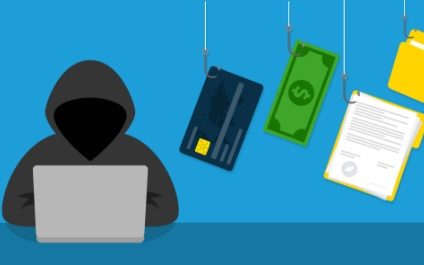
Phishing scams are rampant in today’s cyber-environment. Over 90% of data breaches start with a well-placed phishing message. Hackers will set “bait” to draw you into you installing malware or giving them your private information, without having to break in through more time-consuming and convoluted methods.
American Airlanes experienced a data breach recently…What happened to your data?
The cyber event reportedly compromised both passengers and workers alike; and while the information has yet to turn up on the Dark Web, nonetheless it has set everyone on edge as well as raised more questions about the protection of your personally identifying information (PII) in company databases.
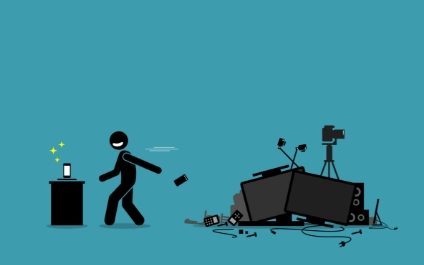
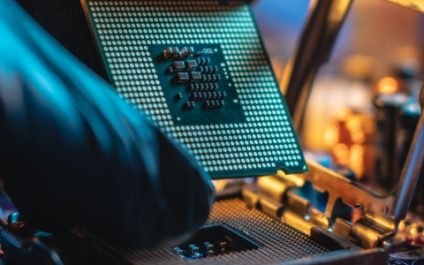
You may have heard your I.T. guy recommend upgrading hardware as soon as better versions come out or noticed that your smart phone suggests turning on auto-updates at night. There’s a reason for this, and it’s not to push you to spend money on the latest market trends.
It’s no secret that the internet can be a dangerous place. Hackers, scammers, and identity thieves are always looking for new ways to steal your information or scam you out of your hard-earned money. That’s why it’s critical to take steps to protect yourself while you’re online.
Computers are expensive, and like any large investment, you want to make sure you get your money’s worth. Prolonging the life span of your computer will save you both money and frustration down the line. Here are tips to keep your computer running smoothly for years to come.
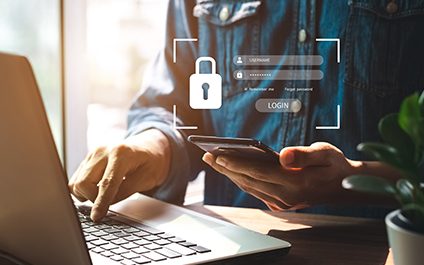
We use passwords for just about everything. Most of us have to enter a password to get into our computers and then enter other passwords to access our e-mail, social media profiles, databases, and other accounts. Even our cell phones and tablets can and should be password protected.
Small businesses are increasingly moving from traditional telephones to Voice over Internet Protocol (VoIP) to save on costs. While VoIP offers many benefits, an unsecure system can leave your business vulnerable to a new kind of attack called telephony denial-of-service (TDoS). In this blog post, we will discuss what TDoS is and how you can protect your VoIP system and your business against it.
When a data breach goes public, especially if the affected company kept it a secret from the people who use their services, the resulting outcry can have a negative impact on the victim’s reputation. Keeping threats and breaches quiet only cause customers to lose trust in the company’s ability to keep their PII safe.