Introduction
Ten or twenty years ago, it was common for accounts with extremely personal information on them to ask you to create a security question.
Think about your first social media account. The log-in for your current medical provider.

Introduction
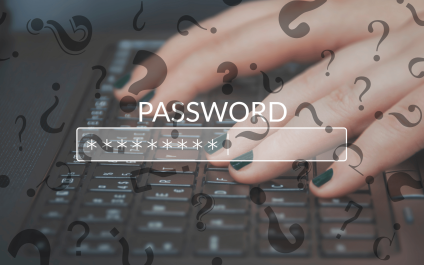
Ten or twenty years ago, it was common for accounts with extremely personal information on them to ask you to create a security question.
Think about your first social media account. The log-in for your current medical provider.
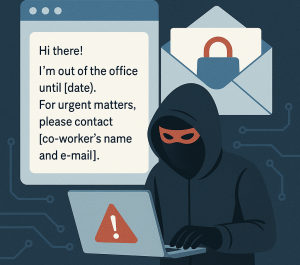
You set it. You forget it. And just like that, while you’re packing for vacation, your inbox starts automatically broadcasting:
“Hi there! I’m out of the office until [date]. For urgent matters, please contact [coworker’s name and e-mail].”
Sounds harmless, right? Convenient, even.
Companies are always looking for new ways to boost productivity, and artificial intelligence (AI) has become a key tool in achieving this goal. AI-powered employee monitoring software, often referred to as bossware, is transforming how performance is evaluated. But as these tools gain traction, ethical questions about privacy and fairness are being raised.

Cryptocurrency has revolutionized the financial world. Around the world, 562M people use online finances because they prefer decentralized and secure transactions. Unfortunately, however, with great innovation comes significant risks.
Let’s walk through the top five dangers to your cryptocurrency and crypto wallet, and explore what you can do to protect yourself (and your digital money).
Did you know? Experts discover over 560K pieces of malware every single day.
These dangerous programs can devastate your systems, by stealing your data, secretly spying on your communications, and hacking into your accounts. To protect your devices and avoid dangerous malware, taking just a few simple steps each day will provide you with better cyber hygiene overall
The FBI’s 2024 Internet Crime Report reveals that ransomware attacks targeting healthcare, financial services, communications and other critical infrastructure in the US are on the rise. Experts warn that phishing and social engineering remain key drivers behind these attacks, highlighting an urgent need for stronger cybersecurity measures.

Data breaches are an unfortunate norm in today’s digital world, and traditional encryption techniques are no longer enough to prevent them. In addition, as businesses become more data-driven and regulations tighten, the pressure is on to rethink how we secure sensitive information, not just during storage but also throughout its entire life cycle.
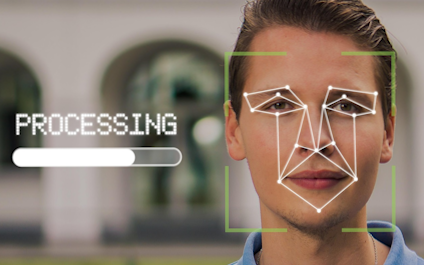
Facial recognition technology offers a convenient and secure method for identity verification.
What is facial recognition technology?
This biometric system identifies or verifies a person’s identity using their facial features. It captures an image of a face, analyzing its unique characteristics, and comparing it to a database of known faces. Society uses this technology in all kinds of ways, including security, law enforcement, and personal device unlocking.
As artificial intelligence has become commonplace, its rise has brought both opportunities and challenges. While AI enhances various aspects of our lives, it also introduces new threats in the realm of cybersecurity.
AI-driven cyberattacks have become increasingly sophisticated, thereby making it essential that we all adopt robust security measures. One of the most effective ways to defend against these threats is through basic cyber hygiene.
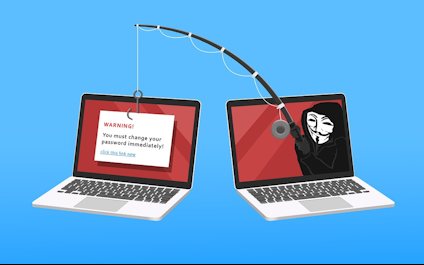
Phishing scams are the most common origin of data breaches. Threat actors convince their victims to send money or private information, usually spurred by false promises, threats, and forming a more personal relationship.
A major targeted and dangerous version of phishing is spear-phishing. Unlike generic phishing, which casts a wide net, spear-phishing targets specific individuals by using personal details to make scam messages more believable. With the advent of AI, these attacks have become even more efficient and dangerous.