
How AI Empowers Spear-Phishing

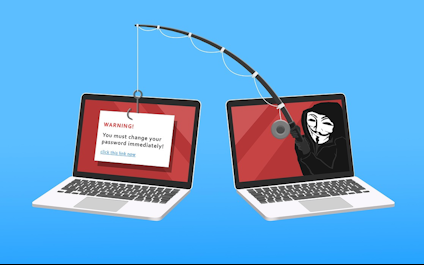
Phishing scams are the most common origin of data breaches. Threat actors convince their victims to send money or private information, usually spurred by false promises, threats, and forming a more personal relationship.

A major targeted and dangerous version of phishing is spear-phishing. Unlike generic phishing, which casts a wide net, spear-phishing targets specific individuals by using personal details to make scam messages more believable. With the advent of AI, these attacks have become even more efficient and dangerous.


Behind the Bybit Crypto Crime

On February 21, 2025, hackers from North Korea’s Lazarus Group executed the largest cryptocurrency heist in history, stealing $1.5B in Ethereum tokens from Bybit, a Dubai-based cryptocurrency exchange. The hackers exploited vulnerabilities in Bybit’s cold wallet infrastructure and used phishing attacks to gain access and download malware.

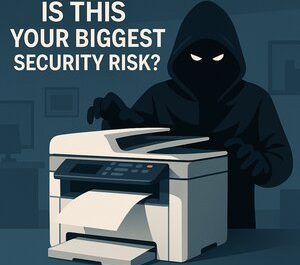
Is Your Printer The Biggest Security Threat In Your Office?

If I asked you to name the biggest cybersecurity threats in your office, you’d probably say phishing e-mails, malware or weak passwords. But what if I told you that your office printer – yes, the one quietly humming in the corner – could be one of the biggest vulnerabilities in your entire network?

It sounds ridiculous, but hackers love printers.

Vishing: What Makes Voice Phishing So Effectively Dangerous?

Phishing is the buzzword in everyone’s mouth. As the most common method of cyber-threat, it’s a way of playing on victims’ emotions to coerce them into disclosing sensitive data.

While over 90% of cyberattacks begin with a phishing email, that is not the only way that phishers reach out to their victims. Since our digital messages have expanded far beyond our electronic inboxes, so too have phishers found other avenues for reaching out to victims and extorting money and personal information from them.