Introduction
Business Email Compromise, or BEC, is no longer a whisper in the corporate world. It’s a full-blown scream, echoing through departments in every industry.

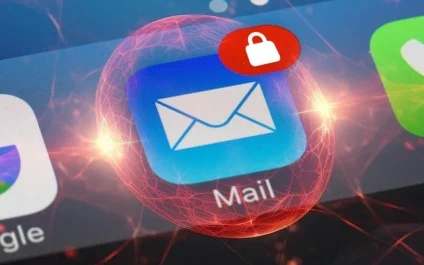
Introduction
Business Email Compromise, or BEC, is no longer a whisper in the corporate world. It’s a full-blown scream, echoing through departments in every industry.

Have you ever casually talked about a product or service while your phone was nearby and then suddenly started seeing ads for it on your social media feed? Your phone is listening. If that concerns you, this should really worry you: your devices are tracking you too! From the phone itself to the apps you download and access, there are multiple ways that your device can ping your location.
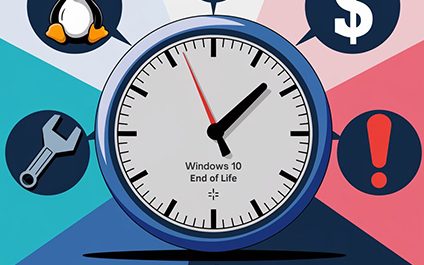
As you likely heard, Windows 10 will reach its end of life on October 14, 2025. This means Microsoft will no longer offer free security updates, non-security updates and technical support on this version. That does not mean the PCs will no longer work; it simply means you are on your own to keep your device secure and functioning efficiently.

Ah, the holiday season – when everything gets festive, sales go up and your to-do list grows longer than your wish list. For businesses, this time of year can be make-or-break, but while you’re decking the halls, your IT infrastructure might be decking you with unwanted downtime and cyberthreats.
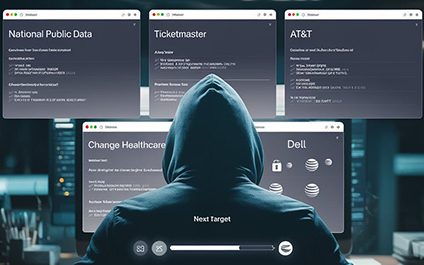
This year has been a busy one for cybercriminals, with some massive data breaches making headlines and costing companies millions. From health care giants to project management platforms, no industry is immune to the risks. But what do these breaches mean for small to midsize businesses? The same vulnerabilities exist for you, and the consequences of not addressing them can be catastrophic.
[Phoenix, AZ] - [October 2024] – SanTrac Technologies, a leader in managed IT and cybersecurity services, continues demonstrating its commitment to the local community by supporting several impactful initiatives to empower the next generation. Through its partnerships with schools and youth organizations, SanTrac provides financial support and mentorship opportunities, helping students develop critical skills for future success.

Struggling to choose the right laptop for remote work? You’re not alone! With so many options on the market, picking a laptop can feel like a confusing maze. But don’t worry, we’ll simplify the selection process by highlighting the essential features you need to consider in order to ensure a smooth and productive workflow, wherever you choose to work from.

While Mac systems are often praised for their robust security measures, they are not immune to attacks. This is why businesses that use Macs need to understand how to effectively respond to Mac malware to safeguard their valuable data and assets. In this article, we’ll explore proactive steps and best practices for mitigating and responding to Mac malware attacks.

Watering hole attacks are one of the most common types of cyberattacks that can pose a significant threat to both individuals and organizations. In this guide, we will discuss what watering hole attacks are, how they work, and, most importantly, how you can protect yourself against them.

Safeguarding your organization’s data and infrastructure is crucial. With cyberthreats becoming increasingly complex, a proactive cybersecurity strategy is no longer optional. Learn proactive measures that can help mitigate risk, ensure business continuity, and empower you to make informed decisions for your organization’s future in this blog.