
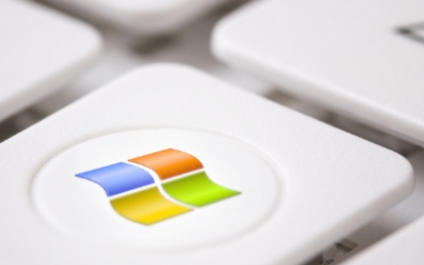
Windows 11 is the new kid on the block. It looks sleek and modern, and many users are tempted to upgrade to the latest Microsoft operating system (OS). But should you make the switch? Here are five reasons why you may want to stick with Windows 10 for now.
5 Reasons you should hold off upgrading to Windows 11
Fileless malware: The invisible threat
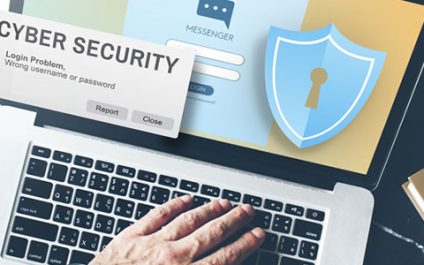
Hackers have found a clever way to get around anti-malware software — they’re using fileless malware, a type of malicious software that's not as visible as traditional malware. This means it can infect your entire infrastructure without you even knowing.
Laptops vs. desktops: Which should your small business use?

When purchasing computers for your small business, one of the biggest decisions you’ll have to make is whether to get desktops or laptops. The choice ultimately depends on five factors, which we’ve outlined for you below.
Portability
The COVID-19 pandemic has driven most businesses to adopt remote work and hybrid work setups.
Should you upgrade to Windows 11?

Windows 11 is here, and many users are wondering whether they should upgrade. The new Microsoft operating system (OS) introduces quite a few nifty features, but it also has its share of controversies. So, should you take the plunge? Here are some things you need to know before making that decision.
The advantages of a hybrid cloud setup

Each of the original types of cloud infrastructure — public and private — comes with their own sets of pros and cons. Fortunately for resource-strapped small- and medium-sized businesses (SMBs), they don’t need to conduct trial and error to see which one is best for them — they can simply reach a happy medium with the hybrid cloud.
Why Password Autofill Is Risky
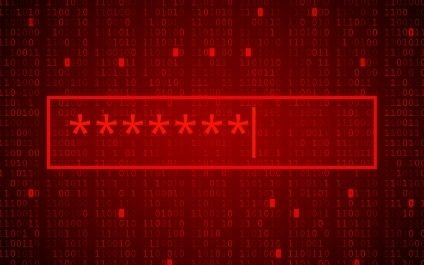
Many people use password autofill on their web browser or password manager for convenience. The feature, however, can be used by hackers and advertisers to access user accounts and gather your sensitive information without your consent.
Why Password Autofill Is So Dangerous
Modern web browsers and password managers have a feature that enables usernames and passwords to be automatically entered into a web form.
Get Better Sleep With These Android Tablet Pointers

Sleep is a must for business owners. You need a good night’s rest for you to efficiently run your business. Unfortunately, there are a lot of things that can keep you up at night, including the very tools you use for business such as your Android tablet.
What You Need To Know About Mac Ransomware
New strains of ransomware usually impact many Windows users, while only a small percentage of Mac users get affected. However, there are ransomware strains that specifically target Apple computers. Boost your defenses against these threats by following these security tips.
Take Care, Be Aware! Of Unsolicited Emails

Scammers know that people are easy prey to emails or websites that look real; oft times not looking at the URL or reading the content thoroughly or critically. All they must do is make the email and develop bogus websites of the news portal and other informative stuff to lure gullible readers.
What You Need to Know About Ransomware

What is Ransomware
Ransomware is a type of malicious software, or malware, that blocks access to a system, device, or file until a ransom is paid. It is an illegal, moneymaking scheme that can be installed through deceptive links in an email message, instant message, or website.