
You may have heard the term “honeypot” from your managed service provider before, but what does the term really mean?
In cybersecurity, honeypots prevent attacks by providing a false target for attackers instead of legitimate production systems.

Tech tips, news, and expert insights

You may have heard the term “honeypot” from your managed service provider before, but what does the term really mean?
In cybersecurity, honeypots prevent attacks by providing a false target for attackers instead of legitimate production systems.

We all use social media. The platform we prefer might differ, but 59% of the people around the globe have some form of it. Chances are, you do use an app to connect with friends online, too.
The top five most popular social media platforms are:
1. Facebook
2. YouTube
3. WhatsApp
4. Instagram
5. TikTok
Do you use any of these? Then you need to know about the security risks that come with the territory.

Do you use cryptocurrency? If you do, then how do you refill your wallet – have you ever visited a crypto ATM to purchase more Bitcoins, or Dogecoins, or Ethereum, or whatever virtual coin you like best?
You may be familiar with online thieves looking to steal your crypto, but now it’s not just your digital wallets that you need to worry about.

These days, it’s very common to meet people online before you ever see them face-to-face. From dating apps to virtual workplaces, a ton of first-time interactions happen virtually. In fact, it’s been considered the most common form of dating since 2019. The year following that finding, the COVID-19 pandemic hit, which only skyrocketed the number of people meeting online — for any personal or professional reason.
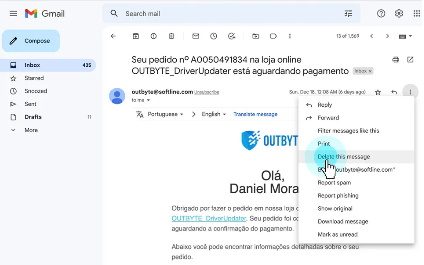
No matter what email platform you use, who you connect with, and where you choose to give out your email address, we all deal with it: Spam messages.
Sometimes, spam is clearly recognizable as fake. Others look like viable sales pitches…and sometimes they’re disguised as phishing messages to make you think that you’re interacting with something or someone that you’re not.

Do you know what a network security key is? Simply put, it’s the password that you need to input before your local network will allow you to connect. Think about your home network: Is there a special WiFi for everyone to use on the premises, and it’s locked so that the network isn’t flooded with passersby?

A lot of cybersecurity awareness revolves around the digital security of all your devices…but how well do you take care of their physical security?
Data breaches don’t just happen when your computer gets infected with malware or you fall for a phishing scam. How often have you done the “phone, keys, wallet” check before you leave a venue? Thieves can steal your laptop out of your bag or your phone from your pocket, too. Then, they can crack your password and steal all your data directly!

Encryption is one of the most commonly misunderstood subjects when it comes to protecting sensitive data. Even those with a basic understanding of encryption often misidentify certain components, use the wrong algorithm and fail to understand how they are used in practice. These myths and misunderstandings are not only frustrating—they can also put your personal security at risk.

The longer you go without being negatively impacted by a data breach, it’s natural to become more blasé with some of the routine steps you take to secure your devices. For example, we all use public WiFi when we’re out of the house to quickly look something up, even though we know it’s not as safe as using our locked, private home network.

Third-party risk management is a very serious and ever-more pressing need than ever before. Our monumental reliance on software as a service (SaaS) tools only grows with each new technology that we integrate into our lives, homes and workspaces.