

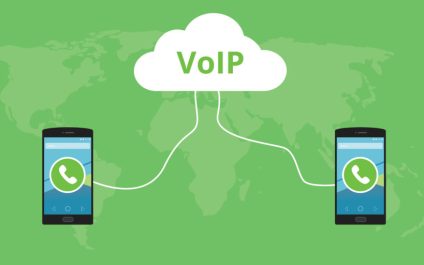
Hackers launch denial-of-service (DoS) attacks to render IT systems and networks inaccessible to intended users. Large corporations’ web servers used to be frequent targets, but nowadays, every business can become a victim. Hackers have also started launching attacks on Voice over Internet Protocol (VoIP) systems.
What you need to know about telephony DoS
Sharing calendars with Microsoft 365 is easy

If you want to keep everyone updated on each other’s assignments or improve your team’s productivity, sharing your calendar on Microsoft 365 is a must. In this article, we’ll take a look at how you can sync your schedules on different versions of Outlook.
5 Business continuity errors to avoid

Business continuity plans (BCPs) are designed to protect an organization’s critical data in case of a crisis. But there is more to BCPs than securing data; it also entails making sure employees are safe during a disruption. If you want an infallible business continuity plan, cover every base and avoid the following mistakes.
Windows 10 privacy settings you should adjust right now

Default privacy settings on devices usually aren’t very private. Even Windows 10 devices are initially configured to collect information about users, like how and where they use their devices as well as what type of content and data they access. Fortunately, there are ways to lock down your privacy in Windows 10 — just follow these tips.
Reduce your PC power consumption

There’s a computer in almost every home and office nowadays. A typical desktop that’s switched on 24/7 for a whole year releases carbon dioxide equivalent to what an average car releases in an 820-mile drive. To save energy, you don’t need to make drastic changes; you can start by making small adjustments that will ultimately lead to significant savings.
Security best practices for BYOD policies

Bring your own device (BYOD) policies give employees the flexibility to use devices they are comfortable with while allowing businesses to reduce hardware spending.
What do business phone systems look like today?

Although digital communication tools let businesses connect with customers and other stakeholders in an efficient manner, landlines are still used to communicate with business stakeholders.
How do sites with HTTPS make web browsing secure?
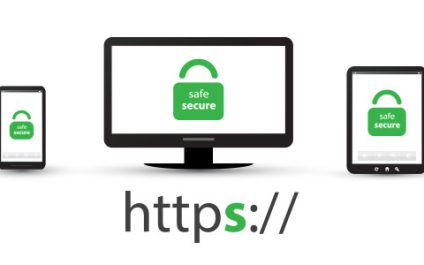
If you shop online like many people, you need to make sure that the site’s payment page has HTTPS in its URL. Otherwise, entering your personal and financial information on this page can expose you to risks such as identity theft. Read on to find out why HTTPS makes for a safer online browsing experience.
Workplace Analytics: An essential tool for business productivity

Microsoft Workplace Analytics presents a clear picture of employee performance, giving managers and leaders actionable insights to enhance productivity. Learn more about this valuable tool and its benefits to businesses of all sizes across industries.
What are the benefits of hosted Exchange?

Microsoft Exchange is one of the most utilized email server services in the world. The service typically requires additional in-house infrastructure, but many businesses use a cost-saving workaround called hosted Exchange. Read on to learn more about it.