Introduction
There are more than 2B of them around the world.
They’ll make up nearly a third of the workforce by 2030.
Most of them have had access to the internet since before they could talk.

Introduction
There are more than 2B of them around the world.
They’ll make up nearly a third of the workforce by 2030.
Most of them have had access to the internet since before they could talk.
Introduction
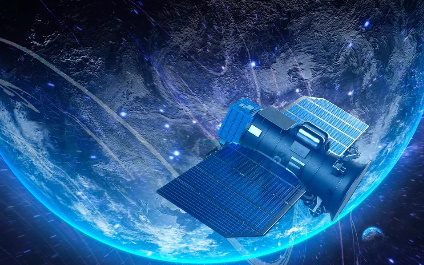
Have you ever wondered whether our space satellites are safe?
No…not from alien attacks!
Safe from cybercriminal threats.
At the end of the day, satellites are just computers orbiting the Earth, sending and receiving signals from the surface.

Introduction
Zero-day attacks…zero-day vulnerabilities…zero-trust security postures…”Zero” seems to be the most popular number in cybersecurity these days!
Hopefully, you’ve at least heard of these terms before.

Introduction
Have you ever used ChatGPT? What about any similar artificial intelligence?
AI has gotten extremely popular, but it’s not without its risks: Consider ChatGPT, hailed as a cutting-edge solution but in the news recently for less flattering reasons.

Introduction
When 2023 began, student debt across American had reached a staggering $1.78T in total. Individually, people owe just over $37K in federal loans alone.
Are you among the 43M who owe student loan debt? Then you’ve probably heard about the Supreme Court decision on June 30th, striking down President Biden’s attempt to forgive approximately $430B in federal student loan debt.

Introduction
Supply chain risk….vendor management…third party cyberattacks…
We have a lot of words for it, but what we’re all talking about comes down to the same thing: Cybercriminals are breaching our systems and other big databases filled with our personal information, by first infiltrating more vulnerable software that we rely on to run daily tasks.

Introduction
Our modern world is extremely digitized; because of that, we constantly use Internet-connected devices, even when we’re on the go. As much as this blog has warned about the dangers of public WiFi networks and unknown USB cables, we know people still check our work emails on the train when big deadlines are coming up, or transfer some money to their checking accounts when they need a few extra bucks to make a purchase.
Introduction
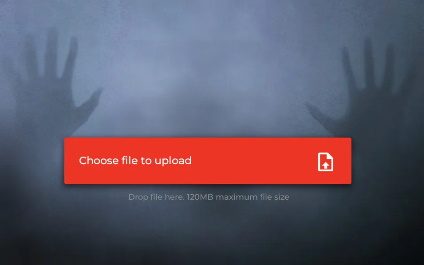
Have you ever needed to turn a Word document into a PDF?
What about reducing the size of a file without compromising its integrity?
Or really needed to do anything with a file that required software you simply didn’t have?
Many people turn to online file converters and other websites that will give them what they need.

Introduction
Virtual private networks, more commonly known as VPNs, have long been touted as a more secure way to browse the Internet. They allow you to access the internet securely and anonymously, making it difficult for anyone to track your online activity.

Introduction
Whether you believe it’s the future or hope it’s a short-lived trend, you’ve probably heard of the Metaverse before. It’s a sort of virtual reality crossed with social media, and Facebook already plans to rely on the Metaverse in future updates to the platform…which makes sense, since Meta Platforms, Inc.