What is PKI and Why Does it Matter?

Do you know what a network security key is? Simply put, it’s the password that you need to input before your local network will allow you to connect. Think about your home network: Is there a special WiFi for everyone to use on the premises, and it’s locked so that the network isn’t flooded with passersby?

What You Need to Know About Physically Securing Your Devices

A lot of cybersecurity awareness revolves around the digital security of all your devices…but how well do you take care of their physical security?

Data breaches don’t just happen when your computer gets infected with malware or you fall for a phishing scam. How often have you done the “phone, keys, wallet” check before you leave a venue? Thieves can steal your laptop out of your bag or your phone from your pocket, too. Then, they can crack your password and steal all your data directly!

How Encryption Really Works: A Beginner’s Guide

Encryption is one of the most commonly misunderstood subjects when it comes to protecting sensitive data. Even those with a basic understanding of encryption often misidentify certain components, use the wrong algorithm and fail to understand how they are used in practice. These myths and misunderstandings are not only frustrating—they can also put your personal security at risk.

How to Manage Third-Party Risks

Third-party risk management is a very serious and ever-more pressing need than ever before. Our monumental reliance on software as a service (SaaS) tools only grows with each new technology that we integrate into our lives, homes and workspaces.

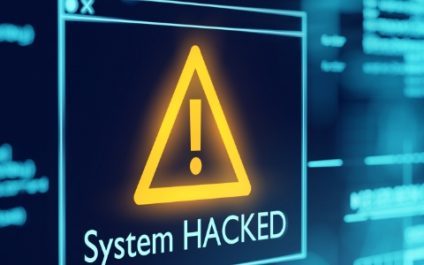
Understanding your enemies: The 5 types of hackers that will attack your business

Hackers come in all shapes and sizes, with different motivations for why they do what they do. Unfortunately, small- and medium-sized businesses (SMBs) are often the target of these malicious individuals because they are seen as easier targets than large enterprises.

Keep your SMB safe from these hackers

As technology advances, so do hackers and their skill at infiltrating networks and systems. Small- and medium-sized businesses (SMBs) can be particularly vulnerable because they often don't have a dedicated security team or ample resources to protect themselves.